Challenger Panel Warning
Original Type A breakers have dangerous bus bar connections; specific GFCI breakers recalled
Challenger panels have a more nuanced history than other dangerous panel brands. The panels were introduced by GTE-Sylvania in 1973 and went through multiple ownership changes: Westinghouse acquired the brand in 1987-1988, and Eaton acquired Westingh...
Known Safety Issues
Challenger panels have documented problems that make them unsafe for continued use.
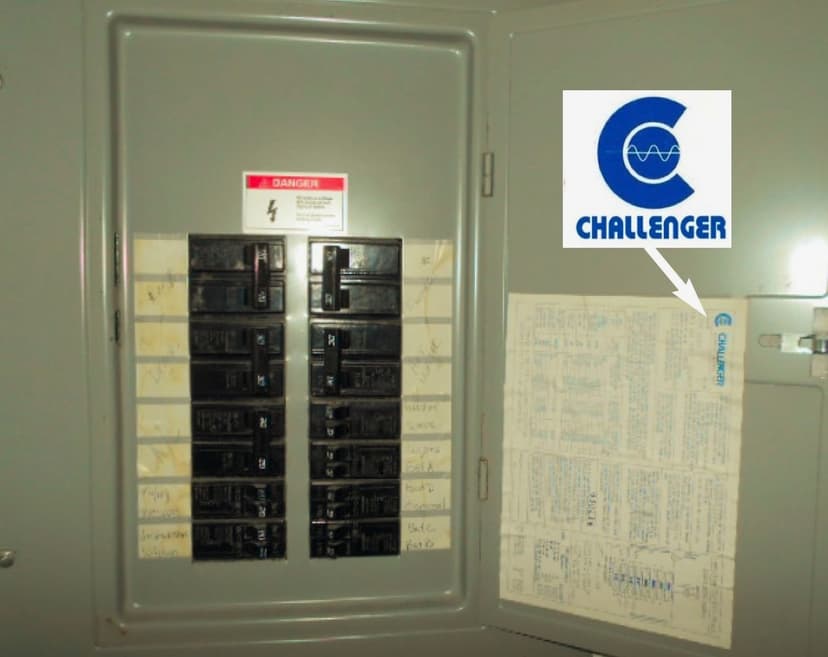
Type A Breaker Fire Hazard
Original Type A "side-clip" breakers have poor contact with the bus bar. This causes arcing and overheating at connection points, potentially leading to fires. Type A breakers require immediate replacement.
1988 GFCI Recall
CPSC Recall #88-095 affected ~9,000 Type HAGF-15 and HAGF-20 GFCI breakers manufactured Feb 22 - April 29, 1988. A mechanical part may detach and prevent ground-fault protection from functioning.
Age-Related Concerns
Even non-recalled Challenger panels are now 20-50 years old. All electrical panels have limited lifespans, and connection quality degrades over time with thermal cycling.
Identification Complexity
Determining whether you have unsafe Type A breakers or the safer Westinghouse-redesigned Type C breakers requires professional inspection. When in doubt, replacement eliminates the uncertainty.
How to Identify a Challenger Panel
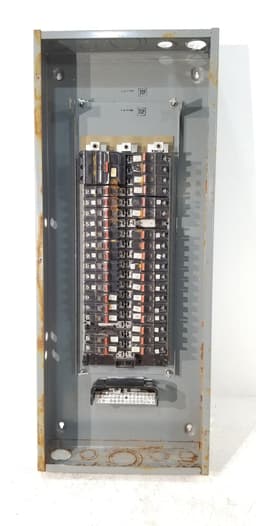
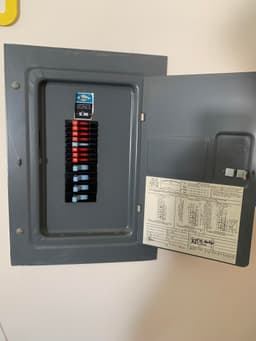
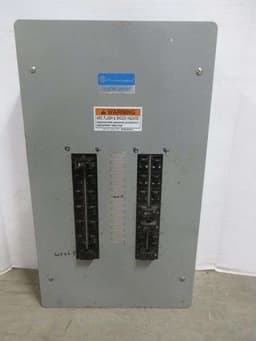
Not sure if you have a Challenger panel? Look for these identifying features:
Free Panel Identification from First Choice Electric
Not sure what type of panel you have? First Choice Electric offers free identification:
- Send us a photo for remote ID
- Free on-site inspection
- Detailed condition report
- No-obligation replacement quote
Insurance Implications
Insurance requirements for Challenger panels vary by carrier. Panels with recalled GFCI breakers or Type A breakers will likely require replacement. Type C panels may be acceptable with documentation of professional inspection. Some insurers flag all Challenger panels regardless of type. We can provide inspection reports and post-replacement documentation to satisfy insurance requirements.
After panel replacement, we provide complete documentation including permits, inspection approval, and a certificate of completion for your insurance company.
Challenger Panel FAQ
Common questions about Challenger panels and replacement.
Are all Challenger panels dangerous?+
No. Challenger panels require more nuanced evaluation than Federal Pacific or Zinsco. The original "Type A" side-clip breakers manufactured by GTE-Sylvania are considered unsafe due to poor bus bar connections that cause arcing. However, when Westinghouse acquired Challenger in 1988, they redesigned the breakers using the Bryant (now Eaton) BR design, which is generally considered safe. The challenge is identifying which type you have. A professional inspection can determine whether your panel has the unsafe Type A breakers or the redesigned Type C breakers.
How do I know if my Challenger panel was recalled?+
The only official CPSC recall (Recall #88-095) affected specific GFCI breakers, not the panels themselves. The recalled breakers are Type HAGF-15 and HAGF-20 GFCI breakers manufactured between February 22 and April 29, 1988 (about a 2-month window). These breakers have a yellow "test" button and white-lettered handle numbers. Only about 9,000 units were affected. We can inspect your panel to check for recalled breakers and assess overall condition.
Can I use Eaton breakers in my Challenger panel?+
Some Eaton BR breakers are designed to be compatible with Challenger panels, since Eaton acquired Challenger through its Westinghouse purchase. All modern Eaton BR breakers are cross-listed as compatible with Challenger Type C or Type A panels. However, there are two different Challenger panel designs with different bus bar configurations. The later design accepts Eaton BR breakers; the earlier design may not. A licensed electrician should verify compatibility before installing any breakers.
Should I replace my Challenger panel?+
It depends on your specific situation. If your panel has Type A (side-clip) breakers or recalled GFCI breakers, replacement is strongly recommended. If you have the later Type C breakers (Westinghouse/Eaton design) and the panel shows no signs of overheating or damage, the panel may be acceptable, though it's still 25-50 years old. Consider replacement if: you're experiencing insurance issues, planning electrical work, or want peace of mind. We can assess your specific panel and provide a recommendation.
Why do some electricians say Challenger panels are fine?+
Some home inspectors and electricians argue that Type C Challenger panels (with the Westinghouse-redesigned breakers) are no more dangerous than other 30+ year old panels, and note there are few documented Challenger panel fires compared to FPE or Zinsco. This is a valid perspective for the later Type C panels. However, the original Type A panels have documented connection problems. The debate largely comes down to which type of breakers your specific panel has, and many homeowners don't know the difference. When in doubt, replacement eliminates uncertainty.
What's the difference between Type A and Type C Challenger breakers?+
Type A breakers are the original GTE-Sylvania design with a "side-clip" half-space connection to the bus bar. This design creates poor contact and is known for arcing and overheating. These are unsafe and should be replaced. Type C breakers were introduced when Westinghouse redesigned the product line. They're essentially the same as Eaton BR breakers (Westinghouse replaced the original designs with Bryant BR technology). Type C breakers have a standard full-width design with better bus bar contact. While outdated, they're not considered inherently dangerous.
Safe Replacement Options
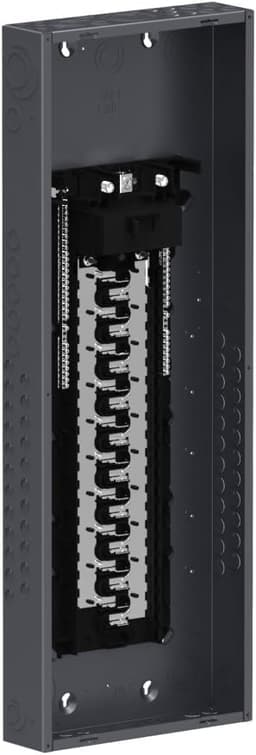
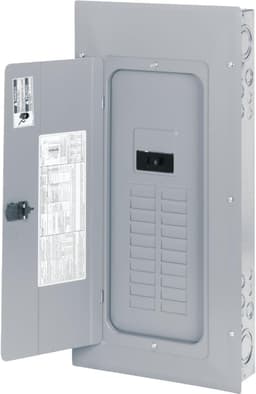
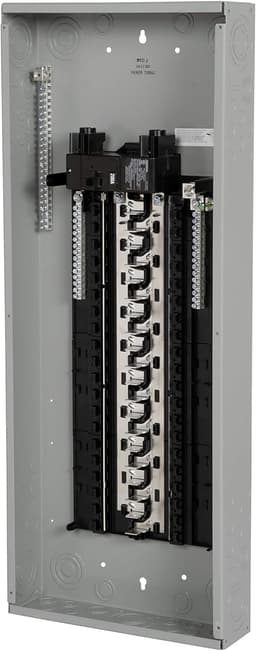
Replace your Challenger panel with a modern, safe alternative from a trusted manufacturer.
Don't Wait for a Fire
Challenger panels are a known safety hazard. Get a free inspection and replacement quote from First Choice Electric's licensed St. Louis electricians. We offer same-week scheduling for dangerous panel replacements.